
Is It Safe to Buy a Car on Facebook Marketplace?
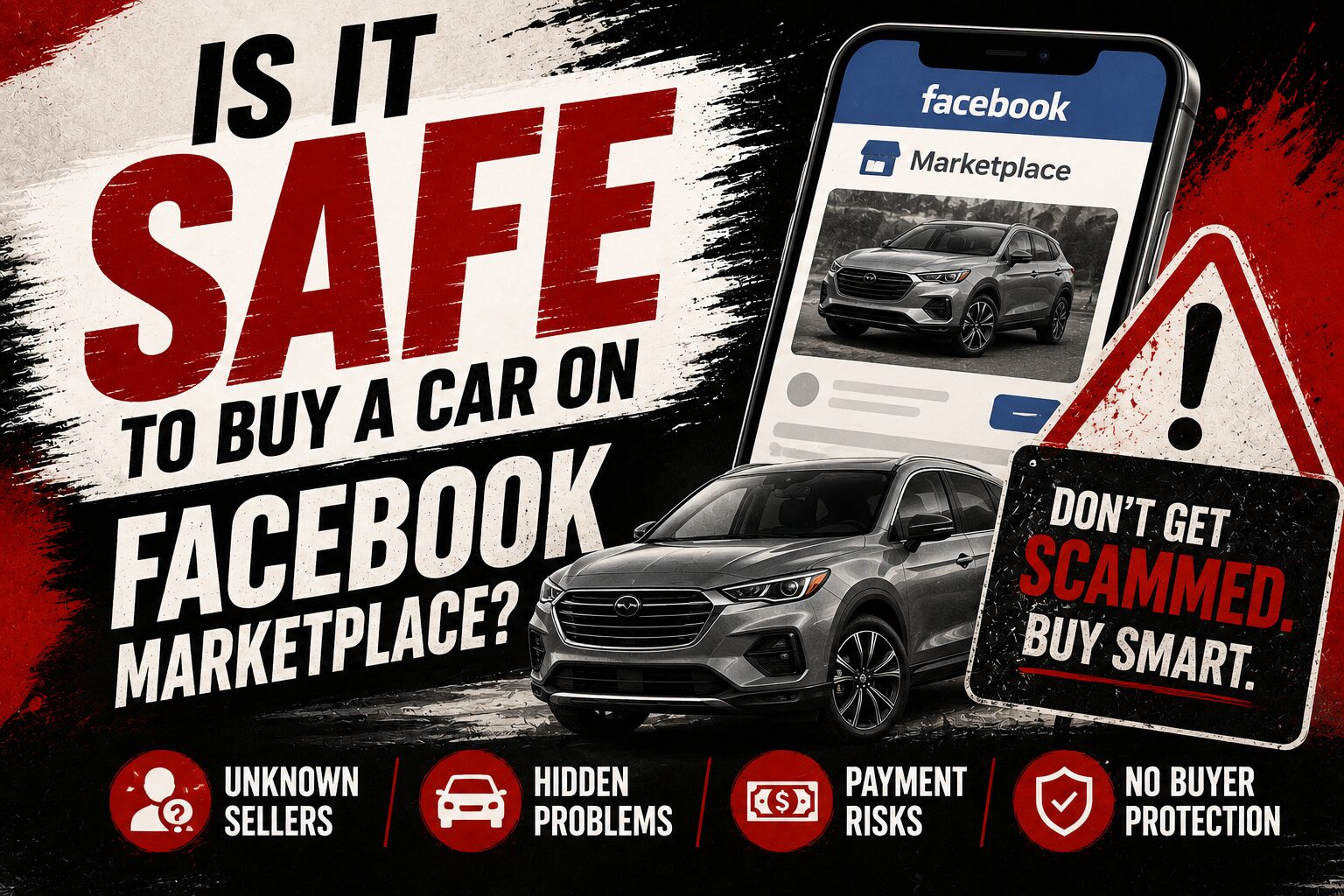
Answering: Is It Safe to Buy a Car on Facebook Marketplace?
Buying a car on Facebook Marketplace can save you $1,000 to $5,000 compared to dealer pricing, but it comes with significant risks that most buyers underestimate, including no warranty, no lemon law protection in most states, and a growing wave of scams involving cloned VINs, fake titles, and fraudulent payment methods. Searches for "Facebook Marketplace cars for sale near me" increased 52% year over year, according to 2025 used car market data, but the surge in listings has also attracted a surge in fraud. Rolo Rides founder Andrew Eder, who has facilitated over 1,000 vehicle transactions, explains when Marketplace is a reasonable option, when it is genuinely risky, and how to protect yourself if you choose to buy privately.
Facebook Marketplace has become one of the most popular places to shop for used cars because it is free, local, and filled with vehicles at prices lower than dealerships. That lower price is real, but so is the reason behind it. Private sellers do not have overhead costs, which is good for the buyer. They also do not have legal obligations to disclose defects, honor warranties, or comply with the same consumer protection standards that licensed dealers must follow. That trade-off is the core of the Marketplace risk.
In March 2026, the Tennessee Department of Commerce and Insurance issued a consumer alert about a "recent uptick" in auto scams involving Facebook Marketplace, where buyers used fraudulent payment methods to steal vehicles from sellers. The Federal Trade Commission has documented similar scam patterns for years. These are not isolated incidents. They are structural risks built into any unregulated peer-to-peer transaction platform.
This guide covers what to watch for, how to verify a vehicle and seller, and when a professional can save you from a mistake that costs far more than any dealership markup.
Key Insights
- Facebook Marketplace offers lower prices than dealerships, but private sales typically come with no warranty, no lemon law protection, and no obligation for the seller to disclose known defects. The savings can be real, but so can the risks.
- Common Marketplace scams include cloned or washed vehicle titles, odometer rollback, undisclosed flood or accident damage, and fraudulent payment schemes. Always run a vehicle history report, verify the title in person, and use secure payment methods.
- A professional pre-purchase inspection ($100 to $200) and a vehicle history report ($40 to $50) are the minimum protections for any private sale. A car buying advocate can evaluate the entire deal, including fair pricing, title verification, and mechanical condition.
Keep reading for full details below.
The cheapest car is not always the best deal.
A $15,000 vehicle on Marketplace with undisclosed damage can cost you $5,000 to $10,000 in repairs. A $999 flat fee for professional representation includes vehicle evaluation, price verification, and deal review, which is a fraction of what one bad private purchase can cost.
Table of Contents
- Key Insights
- The Real Risks of Buying on Facebook Marketplace
- How to Protect Yourself on a Private Sale
- Marketplace vs. Dealer: What You Gain and What You Lose
- When Facebook Marketplace Makes Sense
- When to Use a Professional Instead
- Frequently Asked Questions
- Want to Learn More
- Citations
The Real Risks of Buying on Facebook Marketplace
The risks of buying a car through Facebook Marketplace are different from the risks of buying at a dealership. At a dealership, the risk is overpaying through hidden fees, rate markup, and unnecessary products. On Marketplace, the risk is buying a vehicle that is not what it appears to be.
Title fraud and VIN cloning. One of the most common and dangerous scams involves sellers offering vehicles with cloned or "washed" titles. A washed title means the vehicle was previously branded as salvage, flood-damaged, or rebuilt in one state, and the title was re-issued in another state without the brand. VIN cloning involves placing a legitimate VIN from a clean vehicle onto a stolen or damaged one. In both cases, the vehicle history report may appear clean even though the car has a hidden history.
Undisclosed mechanical damage. Private sellers are not required to disclose known mechanical issues in most states. A vehicle with a failing transmission, an engine misfire, or frame damage from a previous accident can be listed at a price that looks like a great deal. Without a professional inspection, you are relying entirely on the seller's honesty and your own ability to spot problems during a test drive.
No warranty protection. Private sales are almost always "as is." Once you hand over the money and drive away, the vehicle is your problem. If the engine fails the next day, you have no recourse against the seller. Dealerships, by contrast, are subject to the FTC's Used Car Rule, which requires them to display a Buyer's Guide disclosing warranty status and known defects.
No lemon law coverage. Most state lemon laws apply only to purchases from licensed dealers, not private sales. If you buy a car on Marketplace and discover a serious defect, your legal options are extremely limited in most states.
Payment scams. The Tennessee Department of Commerce and Insurance warned in March 2026 about an uptick in scams where buyers used fake wire transfers or fraudulent cashier's checks to steal vehicles from sellers. Buyers are also at risk when sellers request untraceable payment methods like cash, Zelle, or cryptocurrency without proper documentation.
How to Protect Yourself on a Private Sale
If you choose to buy on Facebook Marketplace, these steps are the minimum protections you should take. They do not eliminate all risk, but they significantly reduce the chance of a catastrophic mistake.
Run a vehicle history report. Use Carfax or AutoCheck ($40 to $50) and verify the VIN on the vehicle matches the VIN on the title and the VIN on the dashboard. If any of the three do not match, walk away immediately.
Get a pre-purchase inspection. Pay $100 to $200 for an independent mechanic (not a shop the seller recommends) to inspect the vehicle. This should include a visual inspection, a diagnostic scan, a test drive, and a check for frame damage, flood indicators, and paint work that may indicate unreported accident repairs. If the seller refuses to allow an inspection, that is a clear warning sign.
Verify the title in person. The seller's name should match the name on the title. If it does not, the seller may be a "curbstoner" (an unlicensed dealer posing as a private seller). Check for any liens on the title. If the title says "salvage," "rebuilt," or "flood," know that insurance companies consider these vehicles total losses, and resale value is significantly lower than clean-title vehicles.
Use secure payment. Pay with a cashier's check from your bank (verified by the seller's bank in person) or through an escrow service. Never wire money or send payment before seeing the vehicle and title in person. Never accept a deal where the seller asks you to pay a "deposit" to hold the vehicle before meeting.
Meet safely. Meet at a police station or a well-lit public location. Bring someone with you. Do not go alone to a private residence to inspect a vehicle, especially at night.
Marketplace vs. Dealer: What You Gain and What You Lose
| Factor | Facebook Marketplace | Dealership (with Advocate) |
|---|---|---|
| Price | $1,000 to $5,000 lower | Higher, but negotiated by a professional |
| Warranty | None ("as is") | Available (factory, CPO, or extended) |
| Lemon law protection | No (most states) | Yes (licensed dealer purchases) |
| Seller disclosure requirements | Minimal in most states | FTC Used Car Rule applies |
| Financing | Buyer arranges independently | Available at dealer (reviewed by advocate) |
| Title verification | Buyer's responsibility | Handled by dealership |
| Scam risk | Moderate to high | Low (licensed, regulated businesses) |
| Recourse if something goes wrong | Very limited | State consumer protection laws, FTC regulations |
When Facebook Marketplace Makes Sense
Marketplace is a reasonable option when all of the following are true: you are buying a vehicle under $15,000, you are paying cash, you have arranged an independent pre-purchase inspection, you have verified the title and VIN, and you are comfortable accepting the vehicle "as is" with no warranty or lemon law protection. In this scenario, the price savings can genuinely outweigh the risks if you have done the verification work.
Marketplace also works well for specific vehicles that are rare, discontinued, or hard to find through dealers. Enthusiast vehicles, project cars, and older models often surface on Marketplace before they appear on dealer lots. If you know exactly what you are looking for and can evaluate the condition yourself (or hire someone who can), Marketplace expands your search significantly.
When to Use a Professional Instead
If you are spending $20,000 or more on a used vehicle, financing the purchase, buying your first car, or feeling uncertain about evaluating a vehicle's condition, the risk of a Marketplace purchase may not be worth the savings. One undisclosed mechanical issue can cost $3,000 to $8,000. One title problem can make the vehicle unsellable. One scam can cost you the entire purchase price.
A car buying advocate sources vehicles from licensed dealerships, where title verification is handled, warranty options are available, and consumer protection laws apply. Andrew Eder contacts 10 or more dealers per engagement, negotiates the price down through multi-dealer competition, reviews the financing for rate markup, and evaluates every fee on the purchase agreement. The flat $999 fee is a fraction of what one bad private purchase can cost.
The question is not whether Marketplace is cheaper. It often is. The question is whether the savings are worth the risk when you factor in the cost of what can go wrong. For many buyers, the answer is that $999 for professional protection is cheap insurance against a $15,000 mistake. If you are deciding between Marketplace and a dealer, a free discovery call with Andrew can help you evaluate which path makes the most sense for your specific situation.
Frequently Asked Questions
Q: Is buying a car on Facebook Marketplace safe?
A: It can be, but only with proper precautions. You need to verify the VIN, run a vehicle history report, get a pre-purchase inspection from an independent mechanic, verify the title matches the seller's ID, and use a secure payment method. Without these steps, the risk of buying a vehicle with hidden damage, a fraudulent title, or mechanical problems is significant.
Q: Do I have any legal protection when buying from a private seller?
A: In most states, private vehicle sales are "as is" with minimal legal protections. Lemon laws typically apply only to purchases from licensed dealers. If the seller knowingly misrepresents the vehicle (odometer fraud, concealed damage), you may have legal recourse, but proving it is difficult and expensive. Buying from a licensed dealer provides significantly more legal protection.
Q: How do I check if a Facebook Marketplace car has a clean title?
A: Run the VIN through the National Motor Vehicle Title Information System (NMVTIS) at vehiclehistory.gov or through Carfax/AutoCheck. Physically compare the VIN on the dashboard, the driver's door jamb, and the title document. If any do not match, do not proceed. Also check for title brands like "salvage," "rebuilt," "flood," or "junk."
Q: Can Rolo Rides help with a private sale purchase?
A: Rolo Rides primarily sources vehicles from licensed dealerships, where title verification, warranty options, and consumer protections are built in. However, Andrew can advise on whether a specific private sale vehicle is priced fairly and what inspection steps to take. If you are considering a Marketplace purchase and want a professional opinion before committing, a discovery call is a good starting point.
Q: Is it cheaper to buy on Marketplace than through a car buying service?
A: The sticker price on Marketplace is often lower, but the total cost depends on what happens after the purchase. A Marketplace car with $3,000 in undisclosed repairs costs more than a dealer car professionally negotiated with a clean history. When you add the cost of a vehicle history report ($40 to $50), a pre-purchase inspection ($100 to $200), and the risk of no warranty, the gap between Marketplace and a professionally negotiated dealer purchase narrows significantly.
Want to Learn More?
This guide combines professional vehicle transaction experience with current data on Marketplace risks and consumer protection standards. The goal is not to discourage private sales but to help buyers understand what protections they are giving up and how to minimize the risk if they proceed.
Citations
- "Consumer Alert: Facebook Marketplace Auto Purchasing Scams" — The Tennessee Department of Commerce and Insurance issued a warning in March 2026 about an uptick in auto scams on Facebook Marketplace, where buyers used fraudulent payment methods to steal vehicles from sellers. https://www.tn.gov/commerce/news/2026/3/3/consumer-alert-be-on-alert-for-facebook-marketplace-auto-purchasing-scams.html
- "Dealer's Guide to the Used Car Rule" — The FTC's Used Car Rule requires licensed dealers to display a Buyer's Guide on every used vehicle, disclosing warranty status and known defects. This protection does not apply to private sales on platforms like Facebook Marketplace. https://www.ftc.gov/business-guidance/resources/dealers-guide-used-car-rule
- "FTC Warns 97 Auto Dealership Groups About Deceptive Pricing" — While dealerships face regulatory scrutiny on pricing transparency, private sellers on platforms like Marketplace operate without equivalent oversight. The contrast highlights why buyer due diligence is essential in private transactions. https://www.ftc.gov/news-events/news/press-releases/2026/03/ftc-warns-97-auto-dealership-groups-about-deceptive-pricing
Consumer protection laws in most states provide significantly more coverage for purchases from licensed dealers than for private sales. If you are buying from a private seller on any platform, the responsibility for verifying the vehicle's condition, title status, and fair market value falls entirely on you.
Facebook Marketplace has real deals. It also has real risks. The difference between a great purchase and a costly mistake comes down to verification, inspection, and knowing when to walk away. If you want the price benefits of a competitive market without the risks of an unregulated one, a car buying advocate can source vehicles from licensed dealers at prices driven down through professional multi-dealer negotiation. Rolo Rides delivers that for a flat $999 with zero dealer compensation. Start with a free discovery call and find out what the numbers look like for your deal.
Quality Verified
This content scored 92% in the Probably Genius Publication Readiness Assessment, meeting standards for direct answers, section depth, proof points, citation quality, and AI extractability.
This guide is one step in The Complete Car Buying Checklist, our full roadmap from research to keys in hand.
Related Reading

About the Author
Andrew Eder is the founder of Rolo Rides, a flat-fee car buying advocacy service based in Austin, Texas. Before switching sides to represent buyers, Andrew spent five years inside four dealerships, including Honda, Mazda, and Lexus, where he worked in sales and managed the finance office. That experience gave him direct insight into how vehicles are priced, how interest rates are marked up, and how the finance office generates profit most buyers never see. Andrew holds a degree in Electrical Engineering from Milwaukee School of Engineering. He has facilitated over 1,000 vehicle transactions across 9 states and built Rolo Rides on a simple principle: charge the buyer a flat fee, accept zero compensation from the dealership, and protect every part of the deal.